The pub closes, the footy’s done, and half the country is still staring at a phone screen while the kettle boils. That’s the rhythm now. Aussies aren’t just dropping coins into a one-armed bandit down the local RSL; they’re spinning reels on the train home, checking the latest odds between overs, and chasing a bonus round while waiting for a flat white at the servo. The shift from the brick-and-mortar floor to a pocket-sized interface has been less of a revolution and more of a slow, steady drift, the kind you notice when you realise the pokies you used to queue for are now sitting in your jacket pocket, humming away on 4G.
What makes the scene tick is the mix of convenience and local flavour. You want a platform that loads quick on the commute from Parramatta to the CBD, handles the occasional patchy signal out near the coast, and doesn’t make you jump through hoops just to claim a sign-up perk. The language of the games, the payout rhythms, and the way bonuses are structured all lean into what punters actually expect when they’re playing from a bus seat or a back veranda. It’s a crowded market, sure, but the right setup feels less like a foreign app and more like something built for the way we actually live.
If you’ve spent any time tracking the numbers behind the screen, you’ll know the landscape isn’t just about flashy graphics and free spins. It’s about how quickly a platform adapts to local habits, how it handles deposits through familiar channels, and whether the whole experience holds up when you’re switching between a laptop at the kitchen table and a phone on the couch. The best operators have learned that Australians want straightforward navigation, clear terms, and a bit of that familiar pub atmosphere translated into pixels. That’s where the conversation gets interesting, because the right mobile casino for Australians isn’t just a smaller version of a desktop site; it’s a different beast altogether, tuned to the pace of daily life down under.
The pull of the pocket-sized pokies floor
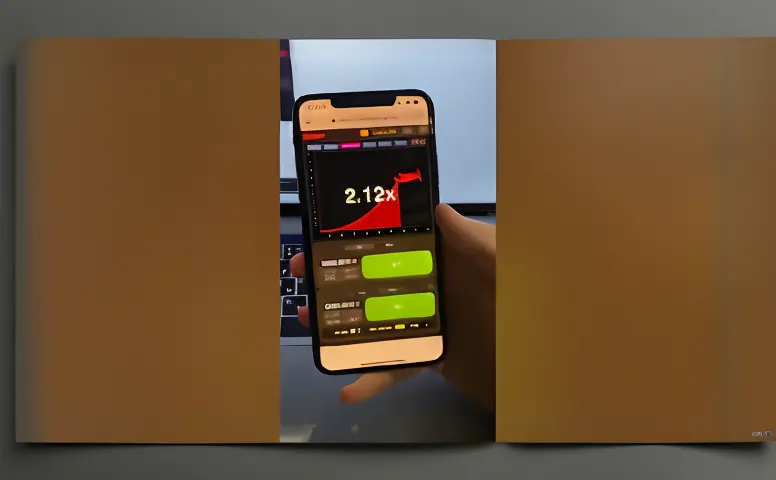
There’s a reason the transition to handheld play caught on so fast. You can be halfway through a round at the local bowling club, step outside for a breather, and pick up exactly where you left off without losing your place in the queue. The interface has to be tight, because nobody wants to squint at a cluttered screen while the kettle’s boiling or the kids are asking why you’re staring at a spinning reel. A good setup keeps the action front and centre, cuts the friction, and lets you tap through menus without feeling like you’re wrestling with a spreadsheet.
The games themselves have had to adapt as well. Developers have been stripping back the unnecessary clutter, tightening the load times, and making sure the bonus features trigger without a lag that kills the mood. You want that same rush you get from a live session, just delivered through a screen that fits in your palm. When the pacing is right, the whole thing feels less like a digital chore and more like a proper night in, minus the drive and the cover charge.
How local punters actually play on the run
The way we use these platforms isn’t some polished marketing fantasy. It’s fragmented, it’s quick, and it’s tied to the rhythm of the day. You might check in during a lunch break, spin a few rounds while the cricket score updates on the second screen, and then step away until the evening kicks in. That kind of stop-start usage means the platform has to remember your place, keep your balance clear, and not make you relearn the poukazky.bermudaescape.sk layout every time you come back.

The language matters too. Aussies want the tone to sit right, not overly polished and definitely not trying too hard to sound like it was written in another hemisphere. When the menus, the bonus terms, and the game descriptions read naturally, the whole experience settles in. You’re not fighting the interface; you’re just playing. That’s the difference between a site you open once and forget, and one you keep on the home screen.
Speed, connection, and the Aussie internet reality
Let’s be honest about the network situation. You can have the slickest app in the world, but if it stutters when you’re on the train through the outer suburbs or drops out just as the bonus round kicks in, the shine wears off fast. Load times, stable connections, and a layout that doesn’t choke on a patchy signal are the boring things that actually decide whether a platform sticks around. The best ones are built with that reality in mind, keeping the heavy graphics in check and making sure the core action stays smooth.
You also want deposit and withdrawal paths that don’t make you jump through a maze of redirects. Local payment habits are specific, and a platform that ignores that is asking for friction. When the money movement is straightforward and the screen responds the moment you tap, the whole thing feels grounded. That’s the kind of reliability that turns a casual session into a regular habit.
What the numbers say about the shift to handheld play
If you look at the engagement patterns, the move to smaller screens isn’t just a convenience play; it’s changed how often people log in and how long they stay. The sessions are shorter, but they’re more frequent, and that changes the way operators think about bonuses, game rotation, and the pace of the interface. Charlotte Wright, Head of Analytics, Southern Capital Advisory, keeps an eye on those shifts and sees the pattern clearly.“The data shows people aren’t replacing their desk time with phone time so much as splitting it across the day, which means platforms that respect quick sessions and fast reloads are the ones holding attention,” Wright says. That kind of insight matters because it pushes the whole industry toward smoother handoffs and less clutter.Cricket
The bonus structures have had to follow the same logic. Big, complicated perks that require a dozen steps to claim don’t sit well with a punters on the run. Simpler offers, clearer wagering terms, and a layout that puts the important stuff within a tap or two are the ones that actually get used. When the numbers are transparent and the path to the games is short, the platform feels less like a puzzle and more like a proper playing field.
Comparing the platforms that actually matter
There’s no shortage of names in the space, but the ones that hold ground are the ones that get the basics right and keep the local context in view. Joe Fortune has carved out a spot near the top of the Australian market by leaning into that straightforward approach, making sure the mobile experience feels like a proper extension of the desktop rather than a squeezed-down afterthought. When you line up the operators that actually pull weight, you’re looking at load speed, game variety, payment flexibility, and how cleanly the bonus terms read on a small screen.
A solid comparison isn’t about chasing the loudest promotion; it’s about seeing which platform keeps its promises when you’re actually using it day to day. The leaders tend to share a few habits: they keep the menus tight, they don’t hide the important terms behind layers of clicks, and they make sure the games load without a fuss. That’s the kind of setup that earns a spot on the home screen, and it’s the same standard that separates a flash-in-the-pan app from one that stays put.
Picking a setup that fits the day-to-day
The right choice comes down to how you actually live and play. If you’re the sort who checks in between tasks, you want a clean layout and quick access to the games you like, not a screen packed with pop-ups and half-loaded features. If you prefer a longer session, you still want the same smooth start, just with enough depth in the game library to keep things interesting when the first hour rolls around. The platform should bend to the routine, not the other way around.
It also helps to look at the support side before you commit. A platform that answers quick questions without making you wade through a maze of tickets is worth more than a flashy welcome offer that fades fast. When the whole experience feels steady, from the first tap to the final withdrawal, you’ve got something that actually fits the way we play. That’s the mark of a mobile casino for Australians that earns its place, and it’s the same standard that keeps the good ones standing while the rest fade out.
You can put that same scrutiny into the games themselves by trying a big bass amazon extreme demo in test lobby before spending any money. Access the full environment at https://big-bass-amazon-extreme-demo.com/pokie/ to see how the mechanics hold up under real conditions. That hands-on check keeps you from chasing hollow promotions and helps you pick a platform that actually delivers.